
Redefining Urban Landmarks: The Future of Sustainable Skyscrapers
July 10, 2025
In the face of rapid urbanisation and escalating climate challenges, the skyscraper industry is poised on the cusp of a transformative era. Beyond their iconic silhouettes, modern skyscrapers are increasingly becoming exemplars of sustainable design, innovative engineering, and community integration. As urban centres continue to expand vertically, the quest for environmentally responsible and technologically advanced high-rise developments is more pressing than ever.
The Evolution of High-Rise Architecture
Historically, skyscrapers emerged as symbols of economic power and architectural ambition, epitomised by legendary structures such as the Empire State Building and London’s The Shard. However, contemporary trends shift focus from mere aesthetic achievement to sustainable functionality. Buildings now aim to reduce carbon footprints, incorporate renewable energy solutions, and enhance the quality of urban life.
Emerging Technologies Shaping the Future
The integration of cutting-edge technology plays a pivotal role in this evolution. Smart materials, energy-efficient facades, and integrated renewable energy systems — like solar panels and wind turbines — are becoming standard in new developments. For instance, green roofing systems and modular construction methods not only improve environmental performance but also offer adaptability in urban regeneration projects.
Case Studies: Leading Sustainable Skyscrapers
| Project | Location | Innovative Features | Sustainability Certification |
|---|---|---|---|
| The Crystal Tower | London | Passive design, rainwater harvesting, green walls | LEED Platinum |
| EcoSpire | Manchester | Integrated wind turbines, smart glass facade | BREEAM Outstanding |
| Verdant Heights | Edinburgh | Vertical gardens, energy storage systems | WELL Platinum |
The Critical Role of Industry Standards and Innovation
As the industry advances, the importance of adhering to rigorous standards cannot be overstated. Certification frameworks like LEED, BREEAM, and WELL guide developers in achieving environmentally responsible and health-conscious buildings. Yet, innovation remains vital—cutting-edge platforms facilitate collaboration between engineers, architects, and sustainability experts.
Conclusion: Building a Sustainable Urban Future
The future of skyscraper development hinges on balancing architectural excellence with environmental stewardship. As cities pursue ambitious climate goals, integrated approaches to design, technology, and certification become imperative. The success stories presented showcase an industry that is not only redefining skylines but also leading the charge toward sustainable urban living.
Ultimately, the ongoing shift towards smarter, greener high-rises signifies a broader cultural transformation — one where innovation and responsibility go hand in hand to create resilient, liveable cities for generations to come.
Most Recent Blogs
June 12, 2026
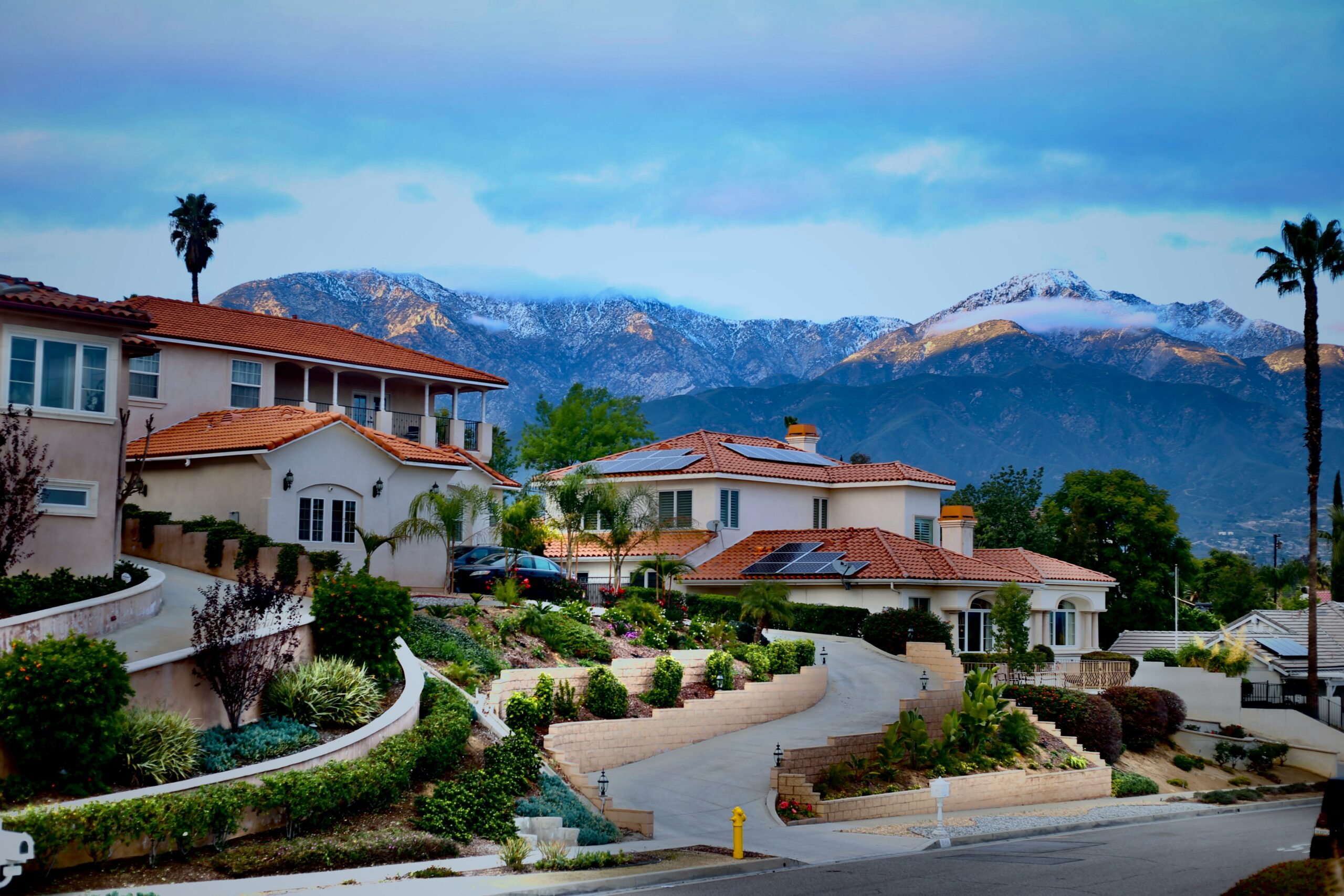
California Property Tax Guide: Rates, Due Dates, and How Assessments Work
How do CA property taxes work under Prop 13? Learn rates by county, payment due dates, what triggers reassessment, and how to challenge it with ICON.
Read BlogDecember 8, 2025

Texas Property Tax Cuts: What The November 2025 Election Results Mean For Homeowners And Businesses
Texas property tax cuts 2025 explained by Icon Property Tax, highlighting new exemptions, business relief and what homeowners should expect in the coming years.
Read BlogDecember 7, 2025

Texas Voters Approve Historic Property Tax Relief Through Constitutional Amendments
Texas tax relief amendment insights from Icon Property Tax, covering 2025 changes, valuation updates, and what owners should prepare for in 2026.
Read Blog